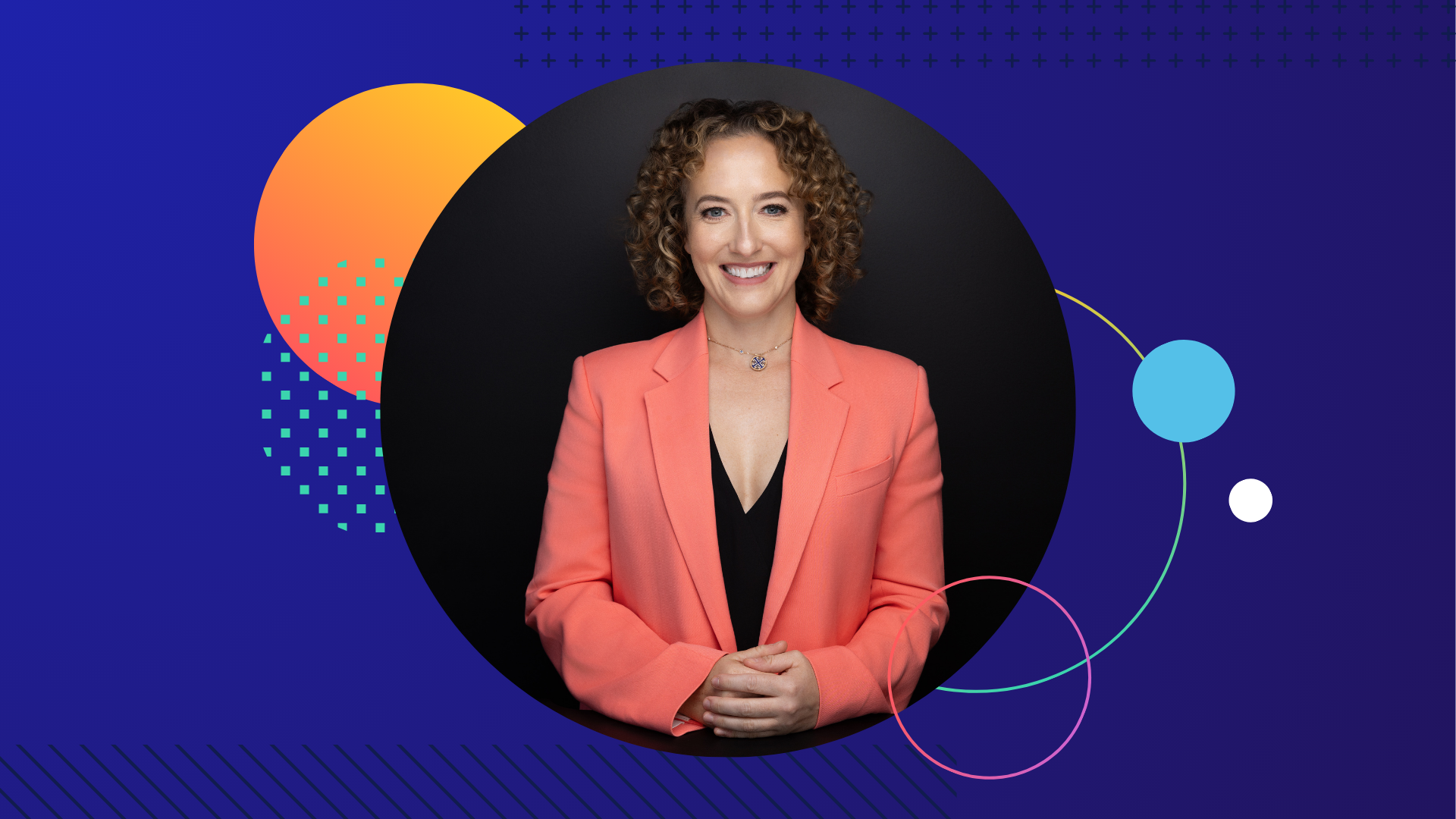
HIMSS Physician Committee Member Spotlight: Mara Schenker, MD, MBA
By: Gwynne Jelbaoui, FHIMSS
Dr. Mara Schenker is an orthopaedic trauma surgeon and clinical informatics leader who operates at the intersection of high-acuity surgical care, health technology, and quality improvement. As Chief of Orthopaedics at Grady Memorial Hospital, one of the busiest Level 1 trauma centers in the United States, she oversees strategic initiatives that integrate digital tools to support surgical performance, data transparency, and clinician workflow optimization. In her role as Chief Medical Information Officer, she leads enterprise efforts in AI governance and EHR advancement with a focus on physician experience, quality improvement, and clinical efficiency.
As a Professor of Orthopaedics at Emory University School of Medicine, Mara brings a valuable and informed perspective on the critical role of education in today’s rapidly evolving healthcare landscape. She is deeply committed to supporting clinicians as they navigate patient care while staying current with the tools and technologies they use every day. I’m grateful to have her on the Physician Committee and look forward to collaborating with her. Below are a few of her thoughts on digital health transformation.
Learn more about the HIMSS Physician Committee here.
HIMSS: From your perspective, what does successful digital transformation look like in a clinical setting, and how should physicians define “measurable impact”?
Dr. Schenker: Digital transformation in the clinical setting happens when doctors aren't just adapting to technology, they're working alongside it to improve the care of the patient. Real measurable impact shows up in two places: the quality of care delivered, and the hours physicians get back from administrative burden.
HIMSS: Where do you see the greatest opportunity for digital tools to reduce clinician burden while strengthening health system performance?
Dr. Schenker: The short answer is documentation improvement to facilitate a more efficient revenue cycle process -- one that includes pre-authorization, billing and coding, and clinical documentation integrity. These tools need to start upstream at the point-of-care, but in a way that is truly seamless with clinical workflow and does not require a sophisticated understanding of billing and coding.
HIMSS: What capabilities or competencies will physicians need to lead in an increasingly AI-enabled healthcare environment?
Dr. Schenker: This is truly a whole new world -- in the past, technology was a replacement. The iPhone replaced the flip phone. The EHR replaced paper medical records. We are now asking people to augment their experience with technology, not replace it -- to work alongside it, collaborate with it, and make healthcare better and more efficient. To do this, physicians will need to understand what these tools can and can't do. When to trust them and when not to. For some of the higher-risk applications of AI, like clinical decision support, we need to teach physicians how to use AI to think through problems more deeply, but not to skip thinking altogether. The best physicians will use these tools to sharpen their judgment, not substitute it.
-
Join Us as We Reimagine Health Through Information and Technology
At HIMSS, our vision is to realize the full health potential of every human, everywhere. Be part of the community that’s transforming the global health ecosystem with courage, curiosity and determination.